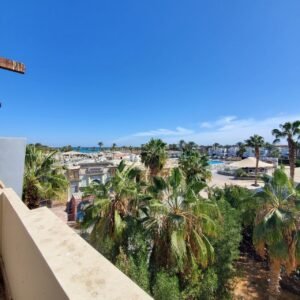
Understanding Rental Apartment Management Services in Hurghada, Egypt
Understanding Rental Apartment Management Services in Hurghada, Egypt
As the real estate market in Egypt, particularly in tourist hotspot Hurghada, expands, rental apartment management services have become essential for property owners, especially foreign investors. Navigating the complex landscape of property laws, tax obligations, and compliance requirements can be challenging without professional guidance. This article delves into the current state of rental management in Hurghada and presents practical tips for potential investors.
Egypt currently lacks a comprehensive property-management law governing ordinary residential rentals, leaving property management companies to operate under various overlapping regulations. This reality makes it crucial for owners and managers to have an understanding of the necessary legal requirements, which can significantly affect the success of their rental business.
Current Legal and Regulatory Landscape
In Egypt, rental apartments must comply with numerous legal frameworks, including tourism licensing, tax laws, and local regulations. A vital area for compliance is the real estate tax, set at 10% of the assessed annual rental value. It’s essential to note that this tax is determined by the Real Estate Tax Authority and is not based on the actual rent collected from tenants.
Taxation for Rental Income
Income generated from renting properties in Egypt falls under the Income Tax Law No. 91 of 2005. This law identifies rental income as Egyptian-source income, applicable even for non-resident owners. However, there is no single rental tax percentage applicable universally; it varies depending on the owner’s circumstances, including their residency status and the nature of the rental activity. Engaging a qualified tax advisor familiar with Egyptian law is advisable to avoid potential complications.
Types of Rentals in Hurghada
In Hurghada, rentals can be classified mainly into long-term residential leases and short-term tourist accommodations. Long-term leases generally require a civil or commercial lease contract, while short-term rentals necessitate adherence to tourism regulations, including guest registration and safety inspections. It is important to verify whether the property requires a holiday-home license by consulting the Ministry of Tourism and Antiquities, as regulations may be subject to change.
Understanding Management Authority and Responsibilities
For foreign property owners, hiring a local management company is common practice, often under a notarized power of attorney that outlines specific responsibilities. These may include signing rental agreements, collecting payments, paying taxes, and maintaining the property. Nevertheless, it’s essential to establish clear authority limits with the management team—broad rights to sell or mortgage are not recommended unless explicitly intended.
Recommended Compliance Process for Managers
A structured compliance process for rental managers in Hurghada typically involves several key steps:
- Verify the Property: Collect ownership documentation, tax IDs, and essential property details.
- Classify Rental Model: Define if the rental will be long-term, medium-term, or short-term.
- Obtain Written Approval from the Compound: This includes keeping track of any restrictions from the developer or owners’ association.
- Confirm Licensing: Establish if a tourism license or holiday rental permit is required.
- Register the Business: Ensure proper commercial registration and tax compliance for the management operation.
- Execute Management Agreements: Create bilingual agreements outlining management authority and financial responsibilities.
Practical Tips for Foreign Buyers
Foreign investors interested in entering Hurghada’s rental market should consider the following advice:
- Review the legal compliance process with local experts and legal advisors.
- Request detailed financial statements separating gross income and deductions, including taxes.
- Ensure that the management company has the necessary commercial and tax registrations.
- Verify that the compound rules permit the intended rental use.
- Maintain thorough documentation for tax filings and compliance reporting.
Frequently Asked Questions
1. Do I need a special license to rent my property in Hurghada?
Yes, if you are planning to offer your property for short-term or tourist accommodation, you may need a holiday-home or tourism establishment license, dependent on local regulations.
2. What are the tax implications for foreign property owners?
Foreign owners are subject to Egyptian taxes on rental income, and the specific tax obligations can vary based on several factors, including residency status.
3. Can I manage my property remotely?
While it is possible, working with a local property manager is highly recommended to navigate legal regulations and ensure compliance with local laws.
Conclusion
Ensuring a successful rental business in Hurghada requires navigating a complex landscape of regulations and tax obligations. Engaging the right rental apartment management services will not only help comply with current laws but also protect your investment.
Looking to buy property in Hurghada? Contact MAMO Property today for expert guidance. Visit mamoproperty.com or WhatsApp us directly.
This article is for informational purposes. Consult a legal expert for personal advice.
Need expert guidance? Contact MAMO Property via WhatsApp: +20 115 298 0998 or visit mamoproperty.com.

Co-founder of MAMO Property, real estate specialist in Hurghada with 16+ years experience in Egyptian property market.