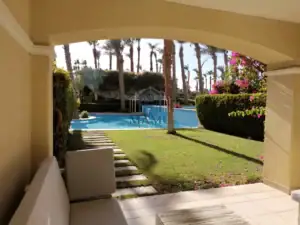



Investing in Passive Income Property in Hurghada: A Comprehensive Guide for Foreign Buyers
Investing in Passive Income Property in Hurghada: A Comprehensive Guide for Foreign Buyers
Are you considering a lucrative opportunity in the real estate market? Investing in a passive income property in Hurghada, Egypt, offers a unique chance for foreign buyers looking to benefit from the increasingly welcoming regulations in 2026. With its stunning coastline, year-round sunny weather, and a growing demand for rental properties, Hurghada is one of the most appealing locations for real estate investment in Egypt.
This article aims to provide a thorough understanding of the current laws, regulations, and practical steps involved in purchasing property in Hurghada, ensuring you have all the information necessary to make informed decisions. With unlimited ownership opportunities and attractive income potential, this could be your pathway to financial independence.
Current Regulations for Foreign Buyers in Hurghada
As of 2026, foreign nationals can purchase freehold residential properties in Hurghada and various other Red Sea resort areas such as Sahl Hasheesh, El Gouna, and Makadi Bay. Notably, recent updates have allowed foreign buyers to own an unlimited number of properties in Egypt, provided that purchases are remitted in foreign currency from abroad. However, a few stipulations remain, such as the 4,000 sqm cap for individual properties and a mandatory holding period of five years in specific contexts.
To secure property ownership, foreigners must obtain registered titles at the Real Estate Registry, frequently referred to as the “Green Contract.” It’s crucial to note that signed private contracts do not equate to full ownership. Buyers may also need to provide certified Arabic translations of their documents and seek security approvals prior to registration.
Understanding Tax Obligations for Rental Income
Rental income generated from Egyptian properties is taxable under the Egyptian Income Tax Law. This includes taxation for non-residents. A critical point for passive income investors to note is that Egypt imposes an annual real estate tax, governed by Law No. 196 of 2008, which applies to both residential and commercial property owners.
The annual real estate tax for residential units is regulated at a rate of 10% of the annual rental income value exceeding 24,000, which is exempt from taxation. This overview highlights the importance of tax compliance in your investment strategy, particularly when planning for future rental income.
Steps to Successfully Purchase Property in Hurghada
1. **Confirm Eligibility**: Verify that the property is eligible for foreign ownership and that the project title structure allows for registration.
2. **Document Preparation**: Gather necessary documents, including passport copies and certified translations.
3. **Contract Signing**: Secure the purchase with a written contract and initiate the registration process.
4. **Obtain Security Approvals**: If required, secure necessary approvals for foreign purchasers.
5. **Register the Title**: Register the title at the local registry to ensure enforceable ownership rights.
6. **Tax Compliance**: Set up compliant arrangements for rental income taxes and other annual obligations.
7. **Management Model**: Decide on a suitable management model for your property as tax implications differ based on the type of rental arrangement you choose.
Cost Breakdown of Property Ownership in 2026
The financial landscape for investing in Hurghada includes several key fees and taxes that potential buyers should understand. The registration fee cap for properties is currently set at 3,900 along with a minimal application fee of 100. Total registration costs may vary; some estimates suggest around 3% of the declared property value.
Moreover, expect real estate taxes of 10% on residential income after the exemption and a personal income tax rate that can reach up to 27.5%. It’s also worth noting that Egypt allows a 50% standard deduction from gross rental income for landlords, adding an element of financial relief for property owners.
Practical Tips for Foreign Buyers
- Engage with a local real estate agent familiar with the Hurghada market to identify suitable properties.
- Consult with a legal advisor to navigate the registration process efficiently.
- Consider property management services if you plan to rent out your property.
- Remain informed about changing regulations and taxes that may impact your investment.
Frequently Asked Questions
Can foreigners buy property in Hurghada?
Yes, as of 2026, foreigners can buy property in Hurghada and other Red Sea areas, subject to specific conditions.
What are the tax implications for owning rental property in Egypt?
Rental income is subject to income tax, with several exemptions available up to certain annual income thresholds.
Is there a minimum holding period for foreign property owners?
Yes, there is a 5-year minimum holding period that may apply to certain transactions.
Conclusion
Investing in a passive income property in Hurghada can open doors to financial freedom through real estate ownership in an attractive market. As we’ve discussed, understanding the legal framework, taxes, and registration process is crucial for success. If you’re ready to explore opportunities in Hurghada, let MAMO Property guide you through the process.
Looking to buy property in Hurghada? Contact MAMO Property today for expert guidance. Visit mamoproperty.com or WhatsApp us directly.
This article is for informational purposes. Consult a legal expert for personal advice.
Co-founder of MAMO Property, real estate specialist in Hurghada with 16+ years experience in Egyptian property market.