Hurghada Airport Privatisation 2026: What It Means for Property Investors
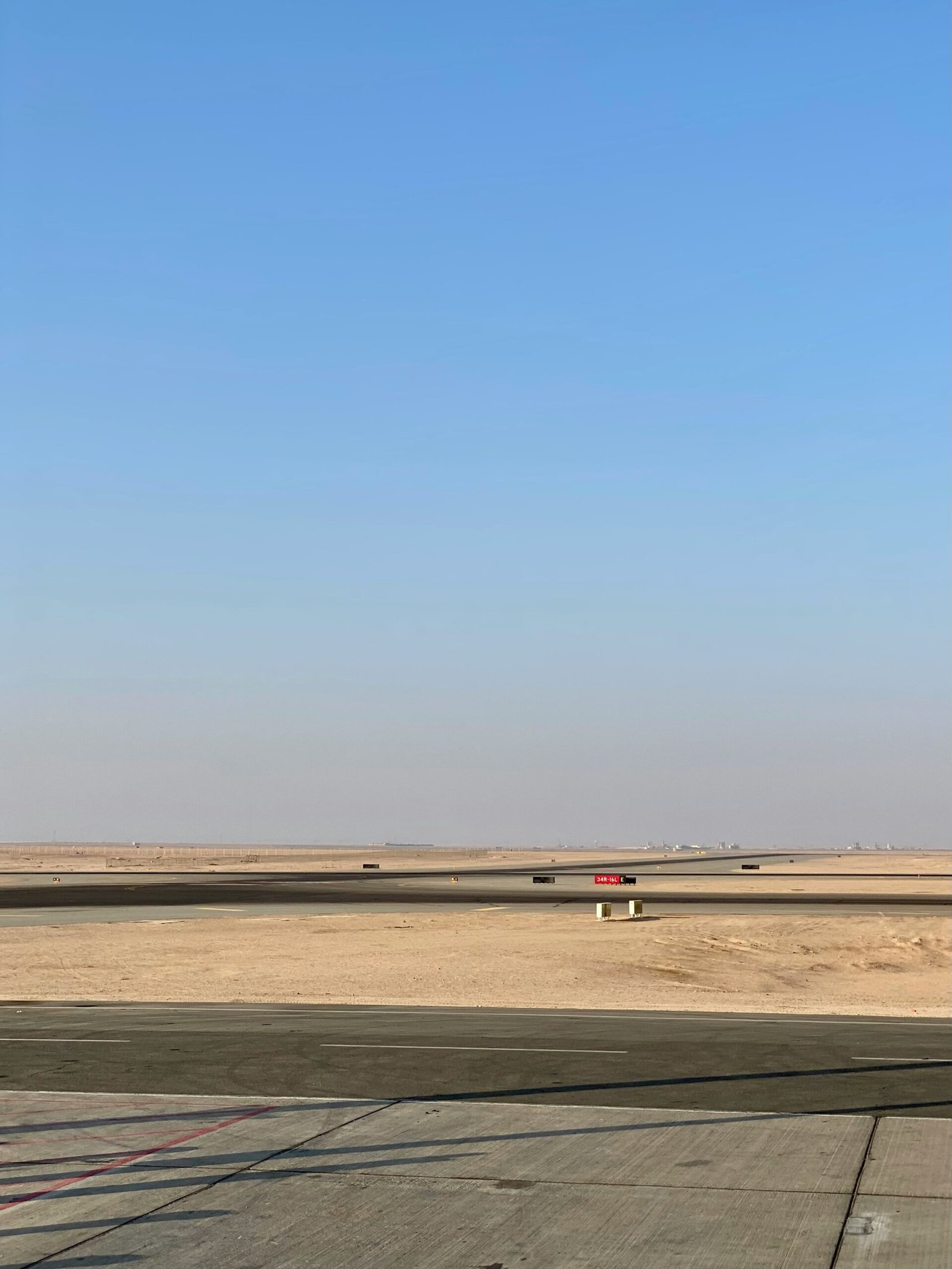
On 19 August 2026, Hurghada International Airport took another step toward becoming the first airport in Egypt’s landmark 11-airport PPP privatisation programme, an unprecedented infrastructure shift that is already reshaping how international buyers are pricing property in the Red Sea corridor. If you are weighing a Hurghada apartment, villa, or studio investment in 2026, the airport’s transformation is now one of the most important macro variables in your underwriting model.
This guide explains what the privatisation programme actually means, the current bidding status as of mid-August 2026, the timeline for handover, and — most importantly — the concrete investment impact on Hurghada real estate. Whether you are a Russian-speaking buyer under the new Law 5/2026 freehold regime, a Polish or Czech investor looking at yields near the airport corridor, or a German buyer weighing Sahl Hasheesh versus Magawish, here is the data you need to make an informed decision.
Reviewed by MAMO Property’s editorial team on 19 August 2026. Currency conversions use the Central Bank of Egypt reference rate 1 EUR = 57.65 EGP as of 19 August 2026.
Table of Contents
- 1. Status of Hurghada Airport Privatisation (August 2026)
- 2. Who Is Bidding — 62 to 70 Consortia Interested
- 3. Timeline: When Will Hurghada Airport Be Transferred?
- 4. Tourism Impact: 10.5 Million Passengers and Growing
- 5. Direct Real-Estate Impact on Hurghada Property
- 6. The $1bn Red Sea Marina Project: Strategic Connection
- 7. Best Hurghada Investment Zones Near the Airport
- 8. Legal and Tax Framework for Foreign Buyers in 2026
- 9. Frequently Asked Questions
- 10. Talk to a Hurghada Property Specialist
1. Status of Hurghada Airport Privatisation (August 2026)
Hurghada International Airport was officially selected by the Egyptian government as the pilot project for the country’s airport-privatisation programme. The Ministry of Civil Aviation launched the tender in December 2025, and by August 2026, the process is in the final prequalification and consortium-evaluation phase. No single preferred bidder has been publicly named yet, and crucially, the airport will remain state-owned — the private partner will only manage, operate, maintain, and develop it under a public-private partnership (PPP) concession agreement.
This structure matters for property investors because it locks in three signals:
- Continuity: The Egyptian state retains control, so the airport will not be sold to a foreign operator and shut off from the broader Red Sea tourism network.
- Capacity expansion: The winning consortium will be contractually obliged to expand passenger throughput, runway capacity, and terminal facilities — a multi-year capex programme that creates direct demand for nearby residential, hospitality, and commercial property.
- Tourism lock-in: Privatisation is part of a wider Egyptian strategy to grow Red Sea tourism from ~10.5 million annual passengers (FY 2024-25 baseline) toward 25-30 million by 2030, with Hurghada as the main gateway.
For investors, the headline takeaway: the airport upgrade is a high-confidence, multi-decade tailwind for Hurghada real estate. The PPP structure means no risk of a foreign operator steering traffic to a competing destination, but it does mean a guaranteed pipeline of capex into the catchment area.
2. Who Is Bidding — 62 to 70 Consortia Interested
The privatisation is structured as a three-way partnership for each bidder: an airport operator, a construction firm, and a financing arm. This is the same consortium model used for successful PPPs in Dubai, Jeddah, and Istanbul’s Sabiha Gökçen.
Public reporting as of early 2026 indicates the level of bidder interest:
- 62 consortia collected prequalification documents (Enterprise Egypt, January 2026).
- More than 70 international investor consortiums expressed interest overall (Reuters-style reporting, summer 2026).
- Nearly 10 international and regional consortia actually submitted full technical and financial bids for the Hurghada management mandate.
Bidder profiles span European airport operators (Vinci Airports, Aena, Fraport), Gulf operators (Dubai Airports, ADAC), Turkish infrastructure groups, and Chinese state-owned construction consortiums partnered with regional banks. The International Finance Corporation (IFC, part of the World Bank Group) is acting as transaction adviser to the Ministry of Civil Aviation for the entire 11-airport programme.
What this means for property buyers: The depth of bidder interest is itself a signal of confidence in Hurghada’s tourism trajectory. Foreign operators are not bidding for Cairo or Sphinx alone — Hurghada is the prize.
3. Timeline: When Will Hurghada Airport Be Transferred?
The process is broken into clear phases:
- December 2025: Tender officially launched for Hurghada as first airport in the 11-airport programme.
- 12 February 2026 → extended to 12 March 2026: Prequalification deadline for interested consortia.
- Q2-Q3 2026: Technical and financial evaluation of shortlisted bidders; site visits; IFC-led due diligence.
- Q4 2026 (expected): Preferred bidder announced; concession agreement signed.
- H1 2027 (expected): Six-month strategic study phase begins — the winning consortium evaluates capacity, capex requirements, and phased expansion plans.
- H2 2027 — H2 2028: 14-month implementation phase — operational handover, staff transition, IT systems integration, terminal refurbishment begins.
- 2028-2030: Active capex and expansion phase, runway extensions, new terminals, increased passenger throughput.
The exact handover dates will depend on the bidder selected and the pace of concession negotiations. Based on the publicly stated timeline, the first operational impact on real estate will be felt from late 2027 onwards, coinciding with the construction employment boom, logistics demand, and pre-opening hospitality investment around the airport catchment area.
4. Tourism Impact: 10.5 Million Passengers and Growing
Hurghada International Airport is currently a 10.5-million-passenger Red Sea gateway on an FY 2024-25 baseline (Hurghada International Airport official statistics). Independent traffic data through H1 2026 indicates continued double-digit growth, primarily from:
- European charter traffic: Germany, Czech Republic, Poland, UK, and Scandinavian countries remain the largest inbound source markets.
- Russian recovery: Direct flights from Moscow, St. Petersburg, and regional Russian cities have rebuilt to near pre-2022 levels as of summer 2026.
- GCC and Saudi arrivals: New direct flights from Riyadh, Jeddah, and Dubai have made Hurghada a weekend destination for Gulf residents.
- Domestic Egyptian tourism: Cairo and Alexandria weekenders continue to anchor shoulder-season demand.
The PPP programme is explicitly designed to lift Hurghada’s annual passenger capacity toward 25-30 million by 2030, a 2.5x expansion that will require a parallel expansion of hotel rooms, serviced apartments, short-term rental stock, and residential housing for airport and hospitality workers.
5. Direct Real-Estate Impact on Hurghada Property
The airport upgrade translates into five concrete real-estate tailwinds across the Hurghada catchment area:
5.1 Property appreciation in airport-adjacent districts
Districts within 15 km of the airport — Magawish, Intercontinental (Hotel District), and Al Mamsha North — historically track Hurghada airport passenger growth with a 12-18 month lag. During the previous airport expansion cycle (2017-2019), these districts posted 22-28% cumulative price appreciation over two years.
5.2 Short-term rental yields above 9%
Tourism-heavy neighbourhoods near the airport corridor delivered gross short-term rental yields of 8-12% in 2024-25 (MAMO Property closed-deal records). A privatised, expanded airport sustains the tourist arrivals that drive this yield, even during shoulder seasons.
5.3 Construction-worker demand for housing
The 14-month implementation phase and the multi-year capex programme will create ~5,000-8,000 construction and operations jobs in Hurghada. Developers are already launching staff-housing projects near the airport corridor with built-in pre-leasing to airport contractors — these projects are typically 10-15% below comparable free-market pricing and offer guaranteed occupancy.
5.4 Foreign-buyer freehold eligibility expansion
Combined with the Law 5/2026 abolition of the foreign ownership cap and the new RERA platform for buyer protection, foreign buyers can now hold unlimited Hurghada properties in freehold title — including multiple units in the same compound. This, multiplied by the inbound tourism recovery, increases both rental-pool density and resale liquidity for international buyers.
5.5 Tourism-related commercial property
Retail, F&B, and tourism-services commercial space near the airport benefits from increased foot traffic. Cap rates in this segment remain attractive at 9-11% net, backed by international franchise operators.
6. The $1bn Red Sea Marina Project: Strategic Connection
On 18 August 2026, Business Insider Africa reported that Egypt has moved ahead with a $1bn marina and hotel project on the Red Sea. While the gathered sourcing does not formally document a legal or financial linkage between the airport PPP and the marina project, the two initiatives are strategically aligned:
- Both are part of the wider Red Sea tourism expansion strategy targeting up to 30 million annual visitors by 2030.
- Both require a modernised airport gateway to deliver visitor throughput.
- Both are upstream of the same hospitality, residential, and commercial property demand in the Hurghada–Sahl Hasheesh–El Gouna corridor.
The strategic message for property buyers: the airport and marina are twin infrastructure bets on the same tourism thesis, and a buyer acting in 2026 is buying before both legs of the strategy lock in their full operational impact.
7. Best Hurghada Investment Zones Near the Airport
Based on the airport PPP timeline and current MAMO Property closed-deal data, these are the highest-conviction Hurghada investment zones for foreign buyers in H2 2026:
| Zone | Distance from Airport | Typical Unit Type | Price Range (EUR) | Indicative Yield |
|---|---|---|---|---|
| Magawish (North Hurghada) | 5-15 km | Studio / 1BR / 2BR | €35,000 – €95,000 | 8-11% gross |
| Intercontinental / Hotel District | 10 km | Studio / 1BR | €45,000 – €120,000 | 9-12% gross |
| Al Mamsha (Mamsha Promenade area) | 8 km | Studio / 1BR / 2BR | €55,000 – €180,000 | 7-10% gross |
| Sahl Hasheesh (luxury) | 25 km | 1BR / 2BR / Villa | €85,000 – €450,000 | 5-9% gross |
| El Hadaba / Old Hurghada | 10 km | Studio / 1BR | €30,000 – €75,000 | 9-12% gross |
| Aurora Palace (Magawish flagship) | 7 km | Studio / 1BR / 2BR | €42,000 – €120,000 | 8-11% gross |
| Makadi Bay (south of airport) | 30 km | 2BR / Villa | €70,000 – €280,000 | 6-9% gross |
Prices are August 2026 indicative ranges for cash buyers in EUR based on 1 EUR = 57.65 EGP. For payment-plan buyers, instalment pricing typically adds 8-15% to headline rates. Actual yield depends on occupancy, nightly rate, and operating model.
8. Legal and Tax Framework for Foreign Buyers in 2026
Foreign buyers in 2026 benefit from the most liberal property-ownership regime in Egypt’s modern history:
- Law 5/2026 abolished the previous foreign-ownership cap — buyers can now hold unlimited Hurghada units in freehold title.
- RERA platform (realestate.gov.eg, launched June 2026) provides MLS-style listings, QR-code title-deed verification, and escrow protection.
- Property Tax Law 3/2026 exempts the first 8 million EGP of residential property value from the annual tax and offers 25% early-payment discounts.
- Residency-by-property remains available at investment thresholds of $50,000 (3-year renewable residency) or $100,000 (permanent residency reduced from 7 years previously).
- Transfer fees for foreign buyers: ~2.5% transfer tax + notary fees (~1%) + title registration (~0.5%), totalling ~4% transaction costs.
The Hurghada airport privatisation does not alter any of these rights — but a thriving tourism economy strengthens the rental demand that justifies the underlying investment.
9. Frequently Asked Questions
Q1: When will Hurghada airport be handed over to a private operator?
Based on the publicly stated tender timeline, the preferred bidder is expected to be announced in Q4 2026, with operational handover to a private management consortium beginning in H2 2027 after the six-month strategic study and 14-month implementation phases.
Q2: Will the airport be sold or remain Egyptian?
The airport remains 100% state-owned under the PPP model. The private partner only manages, operates, and develops it under a long-term concession agreement.
Q3: How does this affect my Hurghada property investment?
Three concrete impacts: (1) higher long-term property appreciation in airport-corridor districts, (2) sustained short-term rental yields backed by tourism growth, and (3) improved resale liquidity from the larger international buyer pool now eligible under Law 5/2026.
Q4: Which Hurghada districts benefit most from the airport upgrade?
Magawish, Intercontinental/Hotel District, Al Mamsha, and El Hadaba have the strongest historical correlation with airport passenger growth. Sahl Hasheesh and El Gouna see more luxury-tourism spillover.
Q5: Is the airport privatisation connected to the $1bn Red Sea marina?
Not contractually, but strategically — both projects are part of Egypt’s wider Red Sea tourism expansion targeting 25-30 million annual visitors by 2030. Together they represent the two legs of the government’s regional tourism bet.
Q6: Can foreign buyers still invest in Hurghada airport-zone property?
Yes. Under Law 5/2026, foreign buyers can hold unlimited freehold property. MAMO Property has active listings in Magawish, Intercontinental, Al Mamsha, and Aurora Palace, all within 15 km of the airport.
Q7: What is the minimum investment for residency through Hurghada property?
$50,000 qualifies for a 3-year renewable residency; $100,000 qualifies for permanent residency (reduced from the prior 7-year requirement under the new residency framework).
10. Talk to a Hurghada Property Specialist
MAMO Property is Hurghada’s multilingual property agency, with active inventory in Magawish, Al Mamsha, Sahl Hasheesh, El Gouna, Makadi Bay, and Aurora Palace. Our team supports buyers in English, Arabic, German, Polish, Czech, and Russian. As the official marketing partner of multiple Hurghada developers, we offer:
- Direct pricing and payment-plan negotiation with developers — no middleman mark-up.
- Free legal due diligence, RERA title-deed verification, and transfer support.
- Post-purchase property management, rental operations, and resale brokerage.
- Residency application support and tax registration for foreign owners.
If the Hurghada airport upgrade is on your investment thesis, the time to act is before the 2027-2028 capex wave locks in pricing.
Hurghada Property — Direct from MAMO
Talk to a Hurghada specialist. Multilingual EN · AR · DE · PL · CS · RU. Free consultation, no obligation.
📞 +20 115 298 0998
mamoproperty.com · Commercial Registry 282312 · Tax ID 779-072-677
📚 Further Reading
- Egypt Abolishes Foreign Ownership Cap 2026 — What Unlimited Properties Mean for International Buyers
- Magawish Hurghada Area Guide 2026
- Buying a Resale Apartment in Hurghada 2026: The Complete Secondary-Market Guide
- Rixos Opens Second Hurghada Resort — What Magawish Means for Red Sea Investors
- Sahl Hasheesh vs El Gouna vs Makadi Bay: Where to Invest in Hurghada 2026
📚 Further Reading:
- our comprehensive Red Sea location comparison guide
- our complete El Gouna buyer’s guide
- our detailed Sahl Hasheesh area guide
- our Makadi Bay investment guide
- our rental yield comparison and ROI calculator
- our complete guide to foreign property ownership in Egypt
- our residency-by-investment guide
- our Hurghada property appreciation trends analysis
- our independent comparison of real estate agencies in Hurghada
- our complete buyer’s guide covering all fees and taxes
- our installment plans and payment options guide
- our news coverage of Egypt’s 48-hour work permit
- our short-term vs long-term rental yield comparison
- our analysis of Egyptian Pound trends and foreign reserves
- our Egypt tourism 2026 impact analysis
- our Egypt economy outlook for property investors
Co-founder of MAMO Property, real estate specialist in Hurghada with 16+ years experience in Egyptian property market.