



How to Get a Mortgage in Egypt as a Foreigner: A Comprehensive Guide
How to Get a Mortgage in Egypt as a Foreigner: A Comprehensive Guide
Last Updated: June 2026 | Originally Published: 2026-04-15
Investing in property in Egypt can be an exciting venture for foreigners, especially in picturesque locations like Hurghada. However, acquiring a mortgage to finance your dream home comes with its unique challenges and regulations. Understanding the current landscape will empower you to navigate the process efficiently.
In 2026, the laws surrounding foreign ownership and mortgage acquisition in Egypt remain largely unchanged, which presents both opportunities and hurdles. This detailed guide will explore how to obtain a mortgage in Egypt as a foreigner, focusing on essential laws, step-by-step processes, and practical tips.
Current Laws and Regulations
Foreigners can purchase residential property in Egypt, including the coastal region of Hurghada, known for its favorable investment environment. In most cases, acquiring a residence visa is mandatory for eligibility in applying for a mortgage. Notably, Egyptian banks like CIB, NBK Egypt, and QNB Alahli cater to foreigners primarily holding residency and verifiable local income, while non-residents often face significant barriers when seeking financing.
All property transactions require governmental clearance from the Council of Ministers to ensure that the property lies outside restricted zones, a regulation that’s particularly workable in Hurghada since it is a non-strategic coastal area. Furthermore, the Mortgage Finance Fund (AMF), backed by the National Bank of Egypt, extends financing options for non-Egyptians who meet residency and income criteria, allowing for structured long-term installments.
Step-by-Step Process for Foreigners to Get a Mortgage
Acquiring mortgage financing in Egypt can seem daunting, but breaking it down into manageable steps can simplify the process:
- Obtain Residency and Documentation: Secure a valid residence visa, a passport copy, proof of address, a Tax Identification Number (TIN), and proof of income. This documentation is crucial for anti-money laundering compliance.
- Select Property and Conduct Checks: Choose a property that’s residential and non-agricultural. It’s advisable to hire a local real estate lawyer for assistance with zoning, building codes, and title verification. A 10% deposit is generally required to secure the property.
- Apply for Government Clearance: Submit necessary documentation to the Council of Ministers for approval, verifying that the property is free from strategic restrictions.
- Approach Banks or AMF: Contact eligible lenders like CIB, NBK, QNB, or the AMF. Provide all required documentation, undergo eligibility assessments, and have the property valued by a licensed appraiser.
- Secure Financing Approval: Expect a loan-to-value ratio of 60-80%, which will typically require a 20-40% down payment. Terms including payment schedules will need to be finalized.
- Sign Agreements and Close: Have your lawyer draft or review the purchase agreement, finalize the mortgage contract, and complete ownership transfer through a notary and registry.
Interest Rates and Associated Fees
As of 2026, foreigners can expect annual interest rates ranging from 18% to 26%. These rates are influenced by the policies of the Central Bank of Egypt. The loan-to-value ratio generally allows for up to 80% financing, requiring a down payment of 20-40% of the property value. A typical deposit is around 10% of the purchase price, alongside various other costs such as lawyer fees, agent commissions, and bank-specific mortgage arrangement fees.
Practical Tips for Foreign Buyers
- Secure a qualified real estate lawyer to facilitate the legal aspects of your property purchase.
- Make sure that all documents are translated into Arabic, if necessary, to avoid delays in the process.
- Be prepared for high-interest rates by considering the total cost of ownership and ensuring your budget aligns with long-term financial goals.
- Engage in thorough property research to ensure that your potential investment is sound and compliant with local regulations.
FAQ
1. Can I get a mortgage in Egypt if I do not have a residence visa?
Generally, non-residents face significant challenges in obtaining a mortgage. A valid residence visa is usually required.
2. What types of properties can foreigners purchase in Egypt?
Foreigners can purchase residential property but must avoid agricultural and strategic areas.
3. How long does the mortgage approval process take for foreigners?
The process can vary but typically takes a few weeks to a couple of months, depending on documentation and bank assessments.
Conclusion
Securing a mortgage in Egypt as a foreigner can be complex but entirely feasible with the right knowledge and preparation. Understanding current regulations, engaging with financial institutions, and adhering to legal requirements are critical components for success.
Looking to buy property in Hurghada? Contact MAMO Property today for expert guidance. Visit mamoproperty.com or WhatsApp us directly.
This article is for informational purposes. Consult a legal expert for personal advice.
Explore further insights and resources through our [INTERNAL_LINK: relevant page suggestion]. For more information on mortgage trends and regulations, you can also visit the following verified sources:
💬 Did you like this article?
Contact us now via WhatsApp to inquire about offers and bookings at MAMO Property
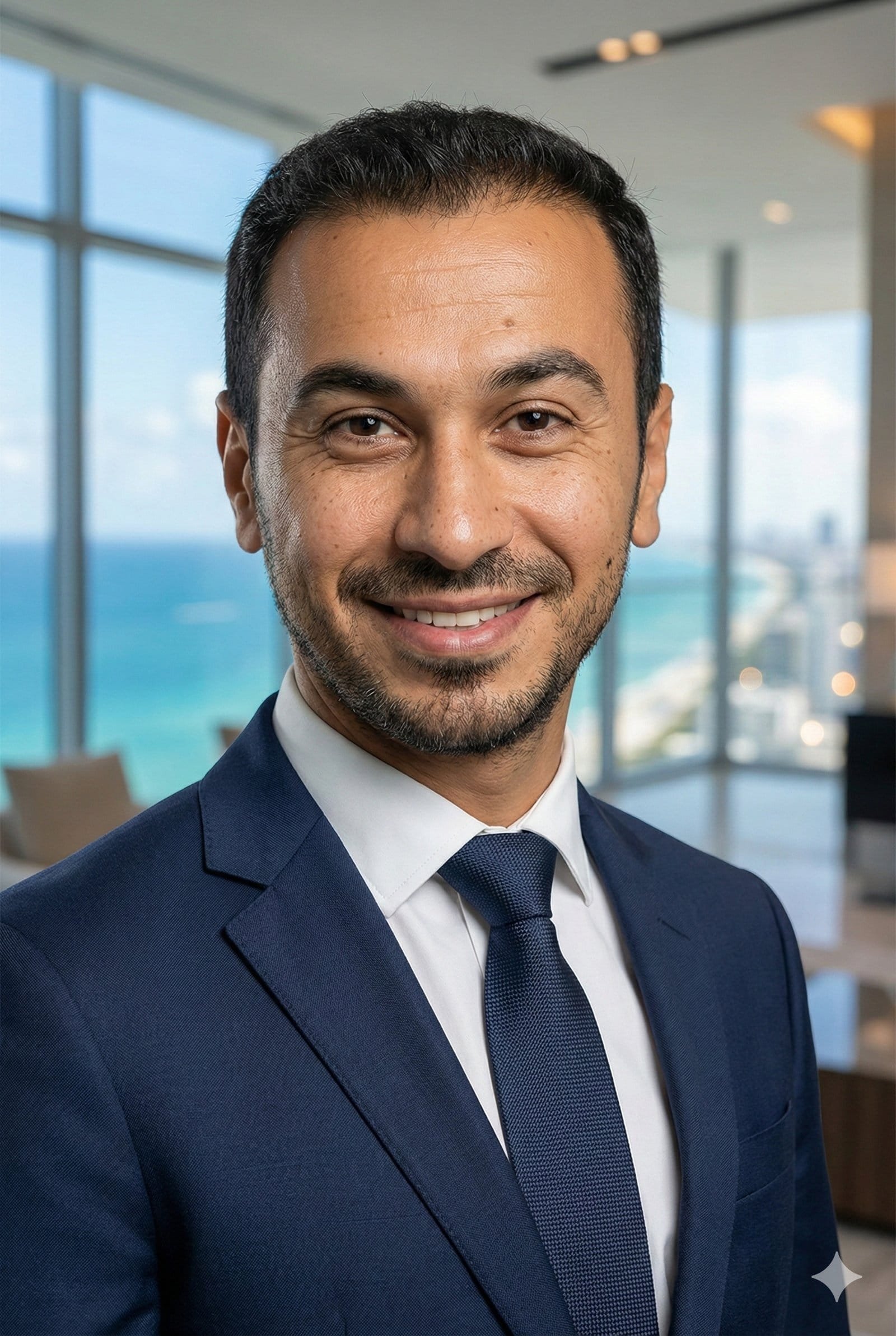
Co-founder of MAMO Property, real estate specialist in Hurghada with 16+ years experience in Egyptian property market.