


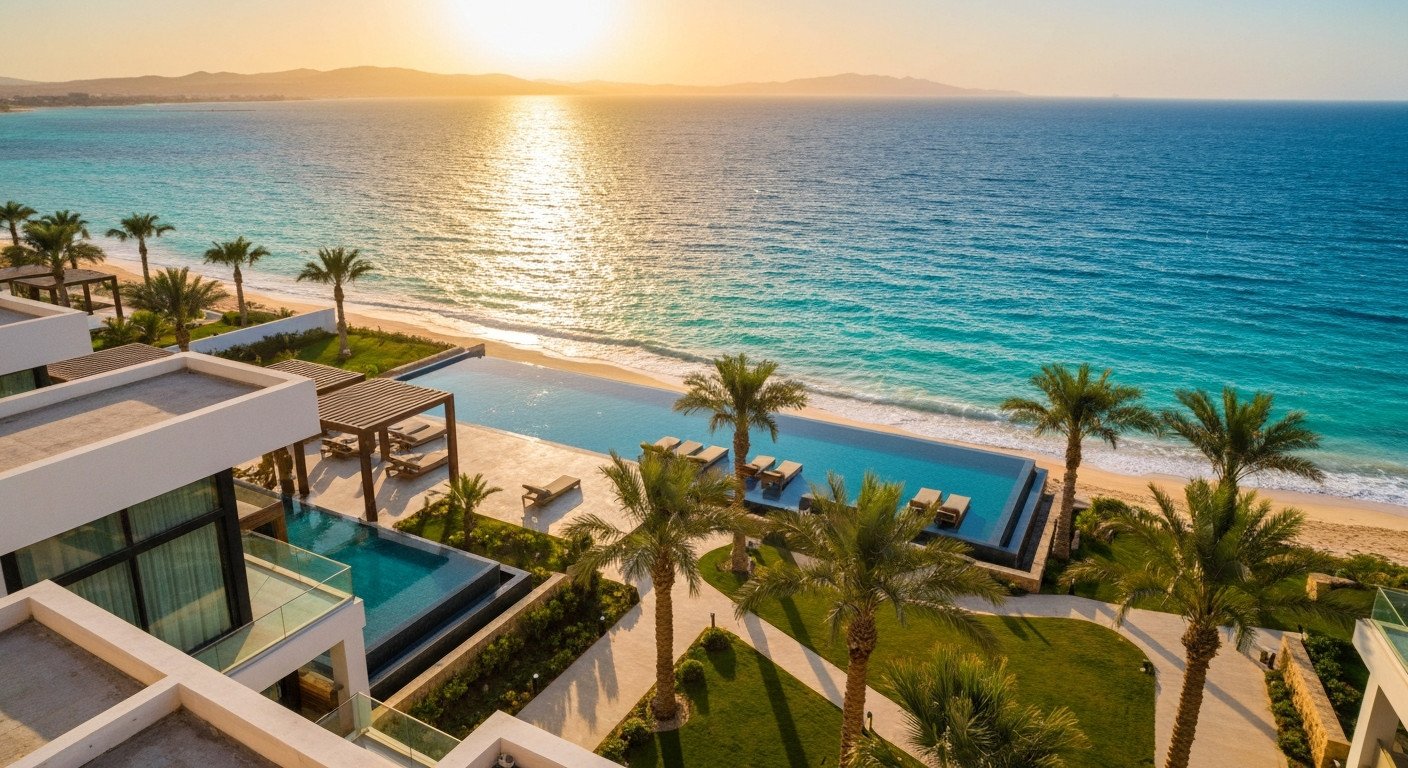
Maximize Your Hurghada Rental Income: Investment Return Insights for 2026
Maximize Your Hurghada Rental Income: Investment Return Insights for 2026
Investing in real estate is a strategic endeavor, and for those considering Hurghada, understanding the rental income landscape is essential. In 2026, the Egyptian rental market is undergoing significant changes, particularly with the introduction of Law No. 164 of 2025, aiming to modernize and regulate the rental system. These reforms are crucial for investors looking to maximize their returns when engaging with Hurghada’s vibrant rental market.
As a leading tourist destination on the Red Sea, Hurghada presents unique opportunities for foreign investors seeking attractive rental income. From short-term vacation rentals to long-term leases, understanding the current laws and rental yields can help you navigate your investment efficiently and effectively.
Current Laws and Regulations Affecting Rental Investments in Hurghada
As of 2026, Egypt’s rental system has shifted towards a more transparent framework under Law No. 164 of 2025. This law phases out the antiquated “old rent” system, impacting around 3 million rental units nationwide. For rental properties in Hurghada—often classified as premium zones due to their tourist appeal—this means sharp increases in rents to align them with market rates.
Foreign investors are permitted to own 100% of residential properties without restrictions, and the process for obtaining a Holiday Home license for short-term rentals has been streamlined. Investors must ensure that they comply with the new tax registration requirements, which apply to those earning significant rental income. Recent changes have also raised the property tax exemption threshold for primary residences to 100,000 annually, offering a financial cushion for investors.
Rental Income Returns: What to Expect in Hurghada
Hurghada stands out for strong short-term rental returns, especially through platforms like Airbnb. The 2026 data reveals the following:
| Metric | Value (EGP) | USD Equivalent (approx.) | Notes |
|---|---|---|---|
| Top monthly revenue (premium villas) | 125,000–200,000 | $2,500–$4,000 | Assuming $150/night and 60% occupancy. |
| Realistic monthly net profit (average listing) | 17,500 (range: 7,500–45,000) | $350 ($150–$900) | After fees and maintenance; profit/night ~EGP 600 ($12). |
| Long-term rent adjustment (premium zone) | 20x current rent, min. 1,000/month | Min. $20 | +15% annual increase post-adjustment. |
| Tax exemption threshold | Annual rental value ≤ 100,000 | ≤ $2,000 | Only for primary residences; investment properties taxed accordingly. |
Short-term rental yields can easily exceed 10-15% gross ROI for mid-range apartments and villas, especially during the high tourism season from November to April. However, it’s essential to account for various fees including platform charges, utilities, and the applicable income tax of 22.5% on profits exceeding the tax exemption threshold.
The Steps to Buying Rental Property in Hurghada
For foreign investors, entering the Hurghada real estate market involves several straightforward steps:
- Purchase Property: Acquire an approved apartment or villa in Hurghada, ensuring you follow notary registration under Law 230/1996 to obtain your ownership title.
- Classify Rental Type: Decide whether you want to pursue long-term or short-term rentals. For short-term, apply for the necessary Holiday Home license and complete safety inspections. Await zonal classifications for long-term rentals until February 2026.
- Register for Taxes: Report your rental income to the Egyptian Tax Authority, taking advantage of the exemption if your annual rental value remains below 100,000.
- List and Operate: Utilize platforms such as Airbnb for short-term listings, ensuring compliance with local regulations, including minimum stay rules.
- Eviction Compliance: If necessary, follow the phased-out process for any old tenants as dictated by the new law.
Practical Tips for Foreign Buyers
- Engage a local real estate agent who understands the nuances of the Egyptian market.
- Stay updated on zoning classifications and their impact on rental income.
- Understand all tax obligations and ensure proper documentation to achieve tax exemptions.
- Consider leveraging professional property management services for hassle-free short-term rentals.
FAQ: Common Questions About Rental Income in Hurghada
1. What law governs rental properties in Egypt?
Rental properties are governed primarily by Law No. 164 of 2025, which includes comprehensive reforms affecting the rental market.
2. Can foreigners own property in Hurghada?
Yes, foreigners can own 100% of residential properties in Hurghada under Law No. 230 of 1996 with no restrictions in coastal areas.
3. What types of rental income can I expect from properties in Hurghada?
Short-term rentals, particularly through platforms like Airbnb, generally yield higher returns compared to long-term rentals.
Conclusion
Investing in rental properties in Hurghada offers promising returns, especially in light of the recent regulatory changes. Understanding these laws and the local market dynamics is crucial for maximizing your investment potential. If you’re considering purchasing property in this vibrant coastal city, consult with experts to navigate the complexities effectively.
Looking to buy property in Hurghada? Contact MAMO Property today for expert guidance. Visit mamoproperty.com or WhatsApp us directly.
This article is for informational purposes. Consult a legal expert for personal advice.
Read in Other Languages
🏡 Ready to Invest in Hurghada?
Contact MAMO Property today for exclusive deals and expert guidance.
📱 WhatsApp: +20 115 298 0998
📧 info@mamoproperty.com
🌐 www.mamoproperty.com
Co-founder of MAMO Property, real estate specialist in Hurghada with 16+ years experience in Egyptian property market.