


Exploring the Hurghada Property Market: An Investor’s Guide
Exploring the Hurghada Property Market: An Investor’s Guide
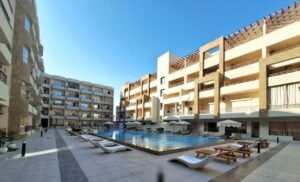
The Hurghada property market has become a focal point for both domestic and foreign investors, particularly following recent legislative changes in 2026. With panoramic views of the Red Sea and a burgeoning tourism industry, it is no surprise that many foreign buyers are looking towards this coastal paradise for their next property investment. Under Egypt’s Law No. 230 of 1996, foreigners can now enjoy 100% sole freehold ownership of residential properties in non-restricted areas like Hurghada, marking a momentous shift in property regulation.
As we dive deeper into the specifics of the Hurghada property market, it is essential for prospective buyers to understand not only the legal framework but also the practical steps and financial aspects of purchasing property in this vibrant city. Whether you’re considering a vacation home or a rental investment, this guide will provide valuable insights to help you navigate the buying process.
Understanding the Legal Landscape
Foreigners are legally permitted to purchase residential property in Egypt, including Hurghada, under Law No. 230 of 1996. Some restrictions apply: for instance, you cannot own agricultural land or properties located in military zones or the Sinai Peninsula. It’s also essential to note that a foreign investor may own a maximum of two properties, each not exceeding 4,000 m². These properties must be intended for family residence rather than purely for investment.
The recent removal of restrictions on land ownership by President el-Sisi has significantly revamped the property landscape in Hurghada, making it a favorable destination for foreign buyers. This legislative change encourages public-private partnerships, aiming to stimulate demand and accommodate Egypt’s rapidly growing population.
Step-by-Step Process for Purchasing Property in Hurghada
Buying property in Hurghada involves several critical steps that every foreign investor should follow:
- Verify Property Eligibility: Ensure the property adheres to regulations: it must be residential, non-agricultural, and located outside military zones.
- Sign a Preliminary Agreement: Document all payments, including your down payment and future installments. An Arabic contract is necessary (an English version is advisable).
- Conduct Due Diligence: Investigate the seller’s ownership, ensuring there’s no legal claim or liens against the property that could impede the sale.
- Notarize and Register: Finalize the transaction at the Real Estate Publicity office. Registration is crucial for establishing ownership.
- Post-Purchase Compliance: Adhere to the five-year holding requirement, and pay applicable taxes.
Renting in Hurghada: A Simpler Alternative
If purchasing property seems daunting, renting also presents an attractive option. The rental process is straightforward:
- Provide necessary documentation such as ID and proof of income.
- Agree on rental terms, including duration and maintenance provisions, documented through a registered Arabic contract.
- Pay a security deposit equivalent to one or two months’ rent.
Financial Considerations and Yields
Investing in the Hurghada property market can yield favorable returns. Current statistics indicate that rental yields for apartments range from 5.86% to 8.08%, with an average of approximately 7.29% in the city. Additionally, foreign buyers can benefit from a 50% automatic deduction on rental income taxes, making it a financially viable option for investors.
Understanding the tax implications is also crucial. The annual property tax is set at 10% of the assessed rental value, which is reassessed every five years. This information is transformative for budget planners aiming for long-term returns.
Practical Tips for Foreign Buyers
- Engage a local real estate agent who is familiar with the Hurghada market to guide you through legal and procedural challenges.
- Consider hiring a legal advisor for personalized advice on property laws and regulations.
- Research the neighborhood you are interested in to ensure it meets your lifestyle and investment needs.
- Be aware of scams and always verify the legitimacy of the seller.
Frequently Asked Questions
1. What are the property ownership limits for foreigners in Hurghada?
Foreigners can own a maximum of two properties, with each not exceeding 4,000 m².
2. How long must I hold a property before selling it?
You must retain ownership for at least five years unless exempted.
3. What taxes should I expect when owning property in Hurghada?
The annual property tax is 10% of the assessed rental value, and you can benefit from a 50% deduction on rental income taxes.
Conclusion
As the Hurghada property market evolves, opportunities abound for foreign investors keen on owning a piece of this idyllic coastal region. With favorable legal structures and attractive rental yields, investing in Hurghada can be both rewarding and relatively straightforward. Always consult with legal experts to navigate the complex laws effectively.
Looking to buy property in Hurghada? Contact MAMO Property today for expert guidance. Visit mamoproperty.com or WhatsApp us directly.
This article is for informational purposes. Consult a legal expert for personal advice.
Read also: Real Estate Investments in Hurghada: Your Comprehensive Guide for 2026
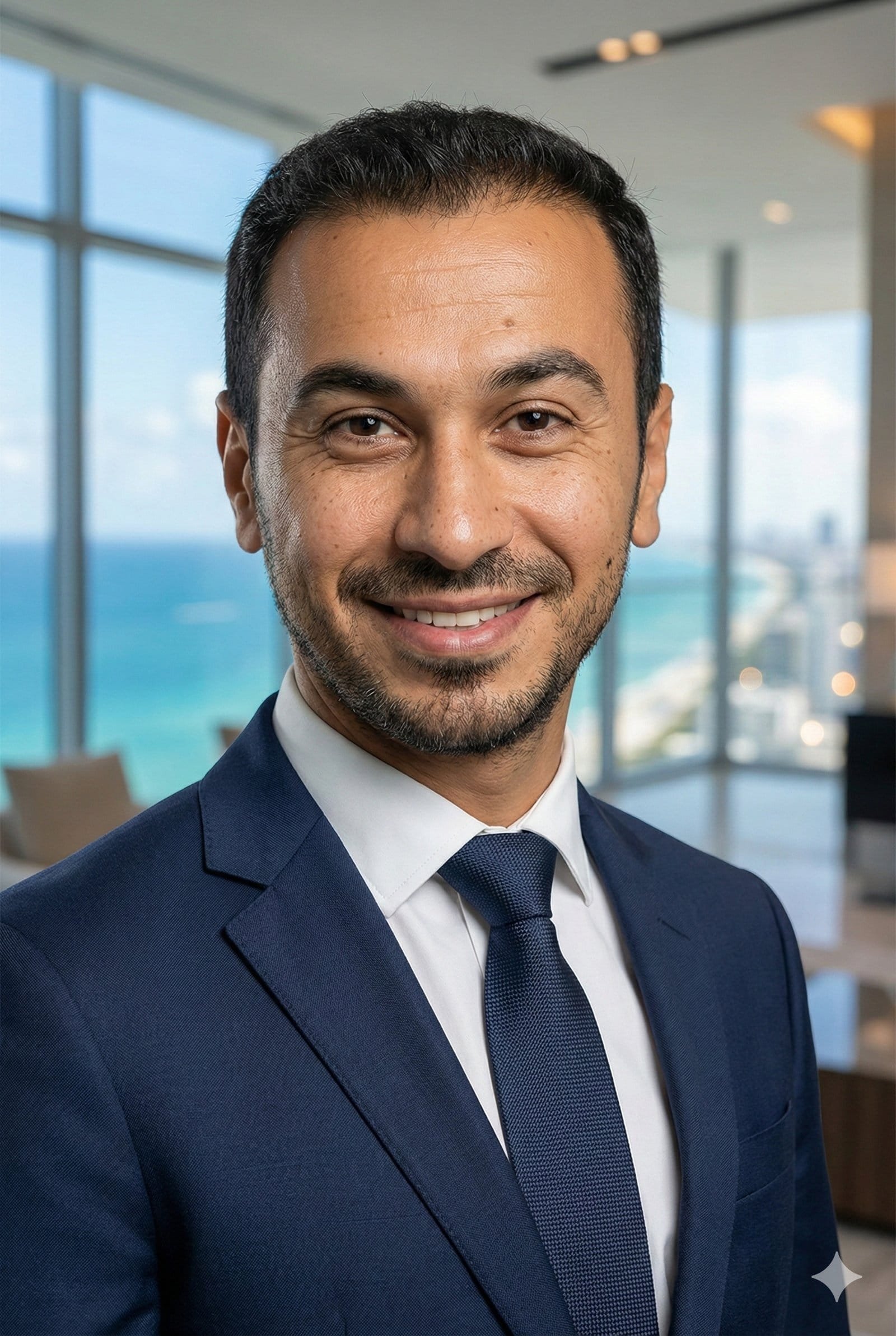
Co-founder of MAMO Property, real estate specialist in Hurghada with 16+ years experience in Egyptian property market.